
Stephen Foster Stakes 2026 Field Rundown – Expert Picks & Bets
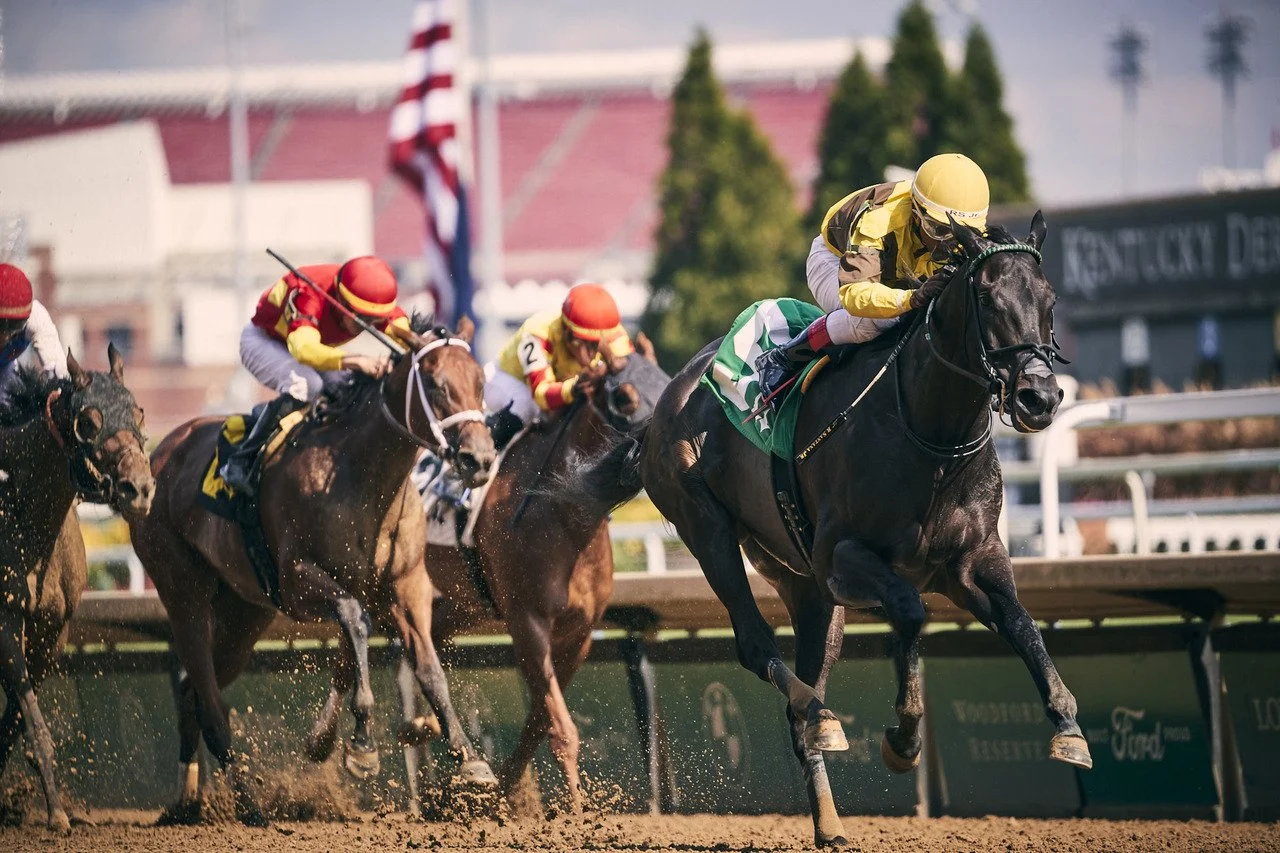
This is one of the deepest Grade 1 fields we’ve seen all year—and the favorite absolutely deserves to be on top of the market.
But respect in the odds doesn’t automatically translate to efficiency in the betting pools.
Because while the public is focused on big names and recent headlines, the real edge in this race comes from how the pieces actually fit together on the track.
You’ve got a reigning Horse of the Year trying to reaffirm his status. A seven-year-old coming off a career-best performance. An international-level talent returning off a major win.
And underneath all of that noise… a pace and structure scenario that creates opportunity for bettors willing to go one layer deeper.
Let’s break it all down from a betting perspective—pace, class, and form—and then translate it into a structured wagering approach.
Willy D’s: Speed, But at What Cost?
Willy D’s enters off a gate-to-wire win in the Lake Ouachita Stakes, securing that victory second off the layoff in controlled fashion. On paper, it’s a solid prep.
But this is a massive class jump.
He now moves into Grade 1 company against proven elite-level runners like Sovereignty, White Abarrio, and Magnitude—horses who have consistently performed at the highest level.
The key issue isn’t just class—it’s pace pressure.
Drawn inside, Willy D’s is forced into a difficult tactical decision. If he commits early, he risks being pressured into a pace he’s never seen before. If he takes back, he risks losing the very advantage that makes him competitive at lower levels.
Either scenario puts him in a compromised position.
White Abarrio: Peak Form Meets a Tougher Setup
White Abarrio comes into this race off a career-defining performance in the Oaklawn Handicap, earning a 111 Beyer Speed Figure while defeating Sovereignty in the process.
At seven years old, that type of late-career peak is rare—and noteworthy.
He’s also trained forwardly, including a sharp June 11th Gulfstream work (4F in 46 seconds, fastest of the morning), signaling intent rather than maintenance.
The Saffie Joseph Jr. and Irad Ortiz Jr. combination only strengthens the case statistically, with strong win efficiency at major circuits.
But context matters.
His last race unfolded perfectly—pace, positioning, and trip all aligned. This time, the pace scenario is significantly more complicated, and the race shape will not be as forgiving.
That’s where the risk enters.
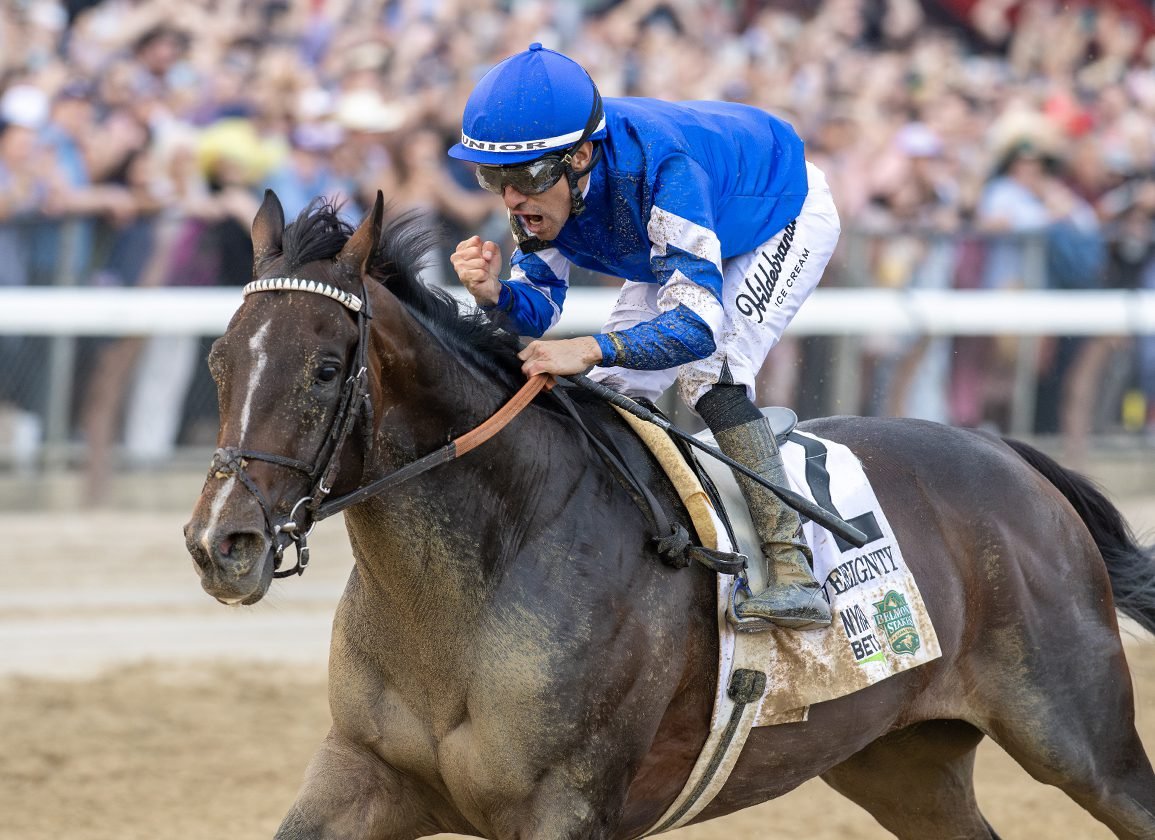
Sovereignty: The Horse of the Year Factor
Sovereignty brings the highest résumé in the field.
Last season included wins in the Fountain of Youth, Kentucky Derby, Belmont, Jim Dandy, and Travers—a championship campaign at the highest level.
He returned from an eight-month layoff to finish second in the Oaklawn Handicap, beaten only by White Abarrio while finishing ahead of Journalism and still showing strong late energy.
That performance is critical.
It wasn’t a peak effort—it was a foundation-building return.
Now, second off the layoff, trained by Bill Mott and again partnered with Junior Alvarado, he enters the exact profile you want for forward progression.
If he moves forward even slightly off that comeback effort, he reasserts himself as the controlling class of this field.
Baeza: The Under-the-Radar Upside
Baeza is where value begins to emerge.
Now in his second start under Bill Mott following a trainer change after the passing of John Shirreffs, he represents a classic “second-off-new-barn” improvement angle.
In the Alysheba Stakes, he finished within a length of the winner despite breaking slowly and losing valuable early positioning.
That slow start compromised his overall impact.
Now he gets Flavien Prat aboard—one of the most effective big-race riders in the world—and a cleaner break alone could materially change his positioning and trip.
In a race where public attention is concentrated elsewhere, Baeza profiles as a legitimate exacta disruptor.
Magnitude: International Class vs. Execution Question
Magnitude brings elite international form into this race, most notably a victory over Forever Young in the Saudi Cup—one of the strongest global performances on record this year.
He has trained sharply since returning, including a five-furlong move in 59 seconds (best of 50 works), indicating he remains in top physical condition.
Steve Asmussen and Jose Ortiz form a high-level combination, and the talent is undeniable.
However, the key question is not ability—it’s timing and adaptation.
He has faced some of these types before without finishing the job, and the added travel and return to domestic Grade 1 company introduce variables that must be respected.
He is either a major contender… or a vulnerable favorite alternative.
Pace Projection: Where the Race Is Decided
This race ultimately comes down to structure.
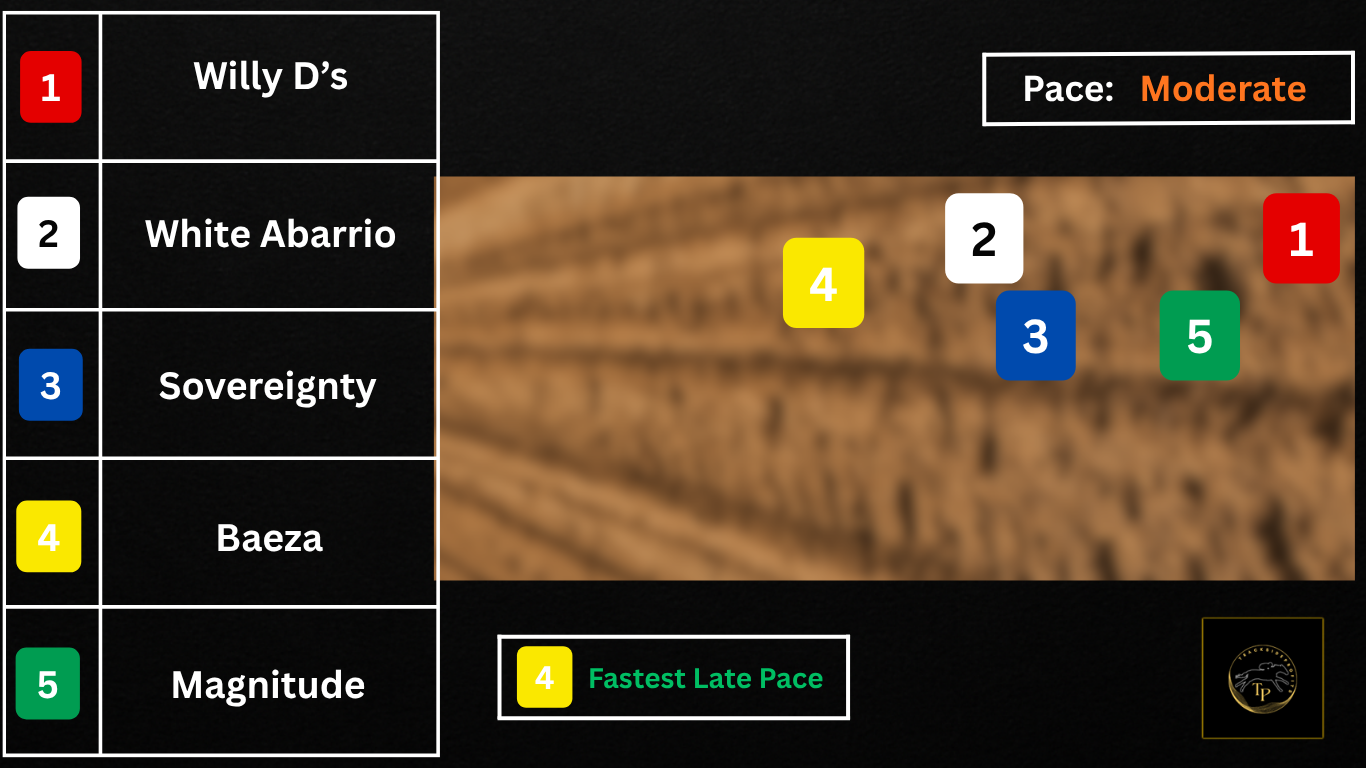
If Willy D’s goes, he ensures early involvement from the inside. Magnitude should also be forwardly placed, ensuring an honest tempo rather than a soft crawl.
That creates a pace scenario that looks legitimately contested—not slow, not chaotic, but honest enough to expose stamina and finishing ability.
Behind them, you likely see Sovereignty, White Abarrio, and Baeza tracking in ideal stalking positions.
And that’s the key separation:
Among the stalkers, Sovereignty and Baeza hold the strongest late-run profiles.
If the early group applies even moderate pressure to one another, this race becomes a finishing contest.
And in that scenario, late acceleration matters more than early positioning.
Betting Strategy: Where the Edge Lives
Sovereignty is the top selection.
The combination of elite class history, a strong comeback effort, and second-off-layoff improvement makes him the most reliable win candidate in the field.
But the real betting edge is in construction—not just selection.
White Abarrio is likely to attract significant public support off his last effort. However, this setup is meaningfully different, and underneath him is where vulnerability exists.
Recommended structure:
Key Sovereignty on top in win and exacta structures
Use Baeza and Magnitude underneath as primary value runners
Avoid over-concentration underneath White Abarrio at short prices
This is a race where discipline matters more than opinion strength.
Because the public will gravitate toward recency and headline performances.
The money is made by reading what changes—not just what happened last time.
For Bettors:
if you’re betting this race or any of the big summer Grade 1s, you need a platform that actually keeps up with the action. Tight odds, full wager menus, and a clean interface when you’re trying to structure plays in real time.
I use MyBookie, and if you want to jump in, i linked it here and can use promo code TSP to get started with a bet back bonus up to $500 when you opt in.
This is where having an edge actually matters—because it’s not just about picking the right horse, it’s about getting paid correctly when you do.
