
Haskell Stakes Early Preview: Key Contenders, Pace Scenarios, and What Will Decide the Race
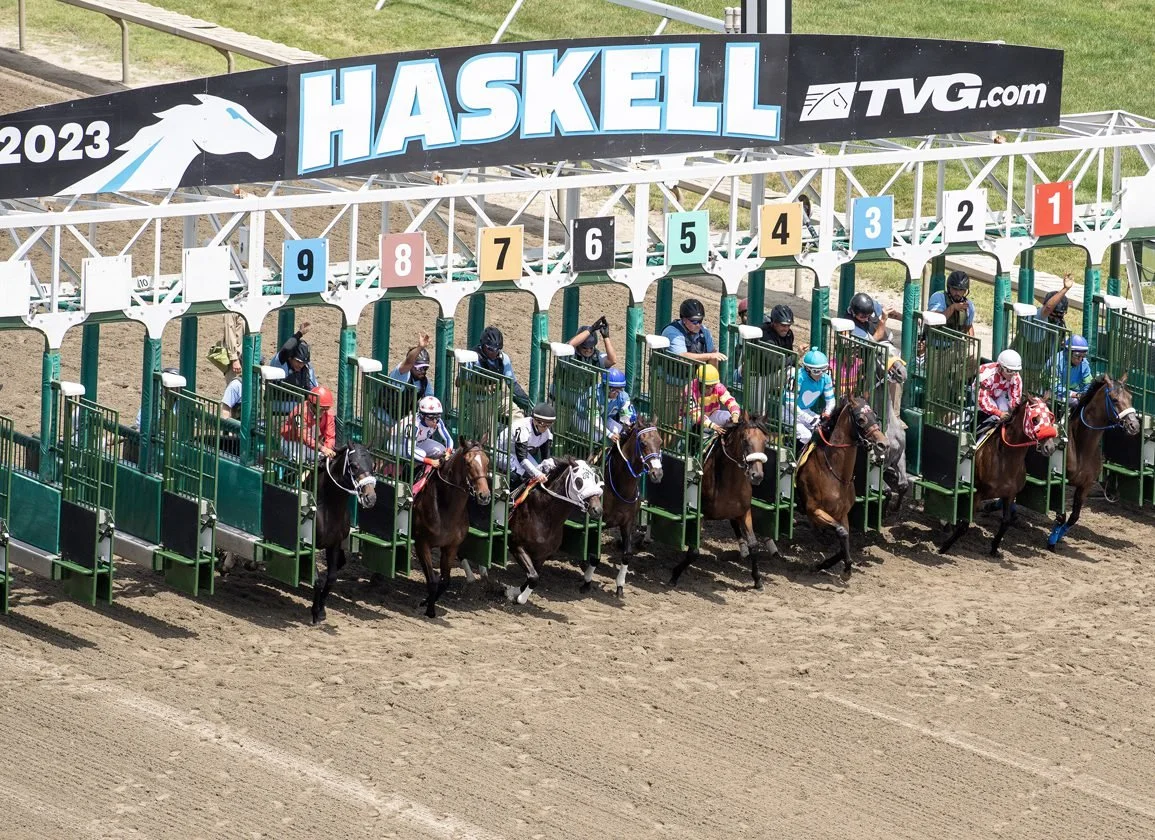
The Haskell Stakes is already shaping up to be one of the most compelling summer races on the calendar, even at this early stage of the prep cycle. The type of race where the surface-level names matter less than how everything connects underneath—pace, progression, and timing.
On paper, you’ve got a Preakness winner trending forward at the right time, a Kentucky Derby runner-up who continues to show up with consistency, and a Bob Baffert-trained colt that looks like he’s being pointed toward a breakout at the exact right distance.
But the real edge in a race like this rarely comes from simply identifying talent. It comes from understanding how those talents interact once the gate opens.
That’s what makes this early look so important.
Race Shape: Why This Field Is Still Taking Form
This is still a developing picture. Final entries aren’t locked, and training decisions over the next few weeks will matter. But the intention behind each likely runner is already fairly clear.
Most of these horses are being pointed here for logical reasons—either as a continuation of Triple Crown campaigns or as a targeted summer return at a distance that fits their profile.
The key question is not just who is fastest, but:
Who controls the early pace?
Who gets the clean tactical trip?
And who is sitting on forward progression rather than regression?
Those three factors will likely decide the outcome more than raw ability alone.
Napoleon Solo — The Preakness Winner With a Moving Target Profile
As the Preakness winner, Napoleon Solo will naturally carry attention into this spot. But what’s more relevant than the résumé is the direction of his form.
Since that victory, the reports out of his camp suggest continued forward motion. His recent six-furlong drill in 1:11.33 at Belmont Park marked his third workout since the Preakness, and the consistency in his training pattern stands out.
More importantly, the focus has been on relaxation.
Earlier in his career, Napoleon Solo showed tendencies to get a bit keyed up early—spending energy before it mattered. If those tendencies are being corrected now, it changes his entire profile. A more relaxed version doesn’t just conserve energy; it extends his effective distance range.
That matters here.
Because if he settles cleanly, he becomes extremely dangerous late. But if he’s forced to work harder than ideal in the opening stages, he becomes vulnerable to pressure from multiple directions.
He’s still the centerpiece—but also the horse most sensitive to how the race unfolds.
Further Ado — Tactical Speed With a Clean Return to Form
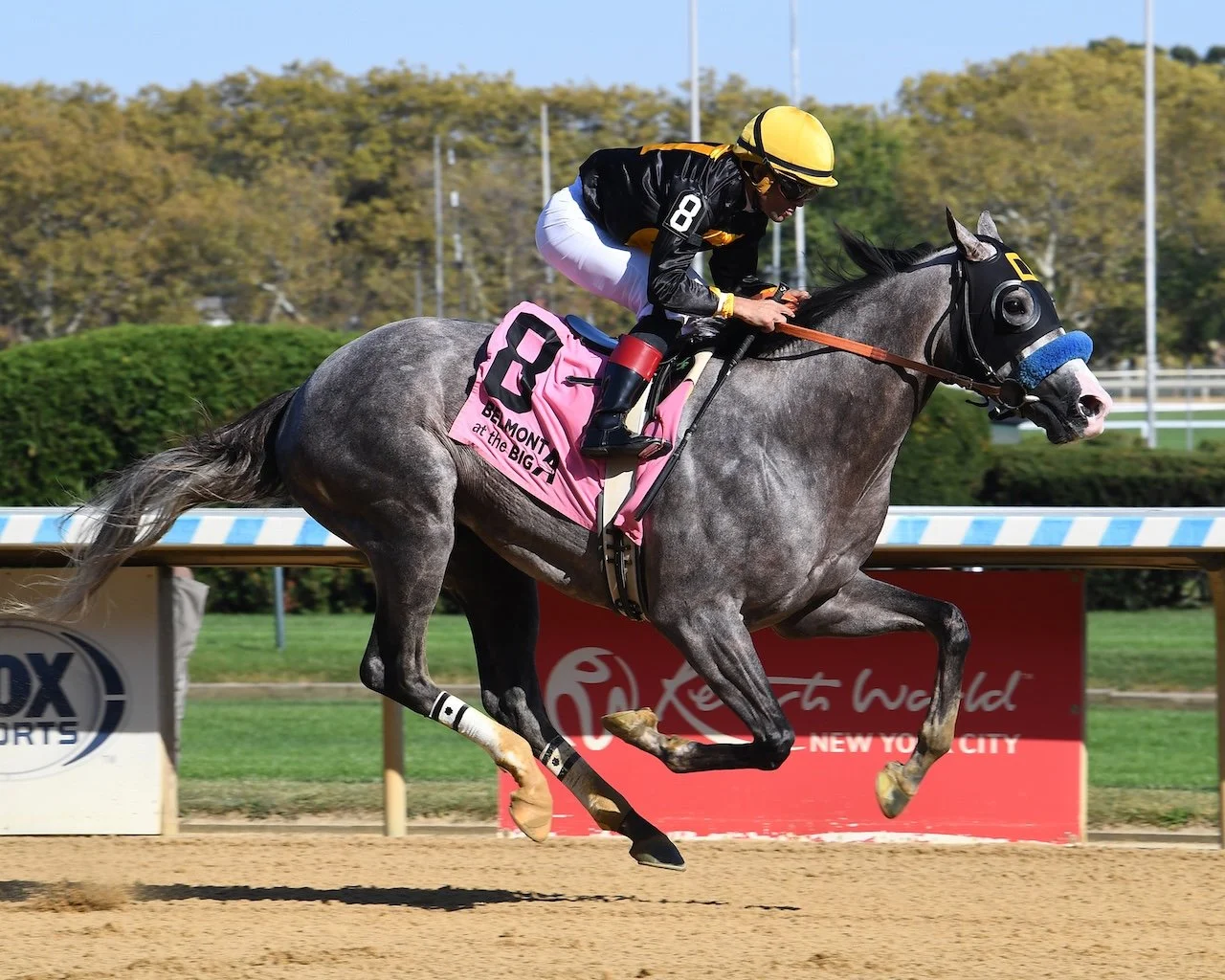
Further Ado comes into this conversation off a meaningful rebound in the Matt Winn Stakes, where he showed a cleaner break, better early positioning, and a professional finishing effort to win by two lengths.
That performance mattered less for the margin and more for the manner.
Under Brad Cox, the key takeaway was simple: he put himself in the race immediately. That adjustment alone corrects one of the biggest issues from his Kentucky Derby appearance.
His recent maintenance work—four furlongs in 50 seconds—suggests he’s holding his form rather than peaking and regressing.
From a pace standpoint, he’s one of the more important pieces in this field. If he breaks clean again, he can sit forward without being pressured into a duel, which is exactly the kind of trip that plays well in races like this.
He doesn’t need to lead. He just needs to be in the right pocket when things get serious.
The Puma — Talent Level Established, Condition Still the Question
The Puma is one of the more intriguing unknowns heading into this race.
His Florida Derby runner-up effort—beaten narrowly by Commandment—already established his ability at this level. That performance wasn’t a fluke. It was a clear signal that he belongs in graded company.
The issue is momentum.
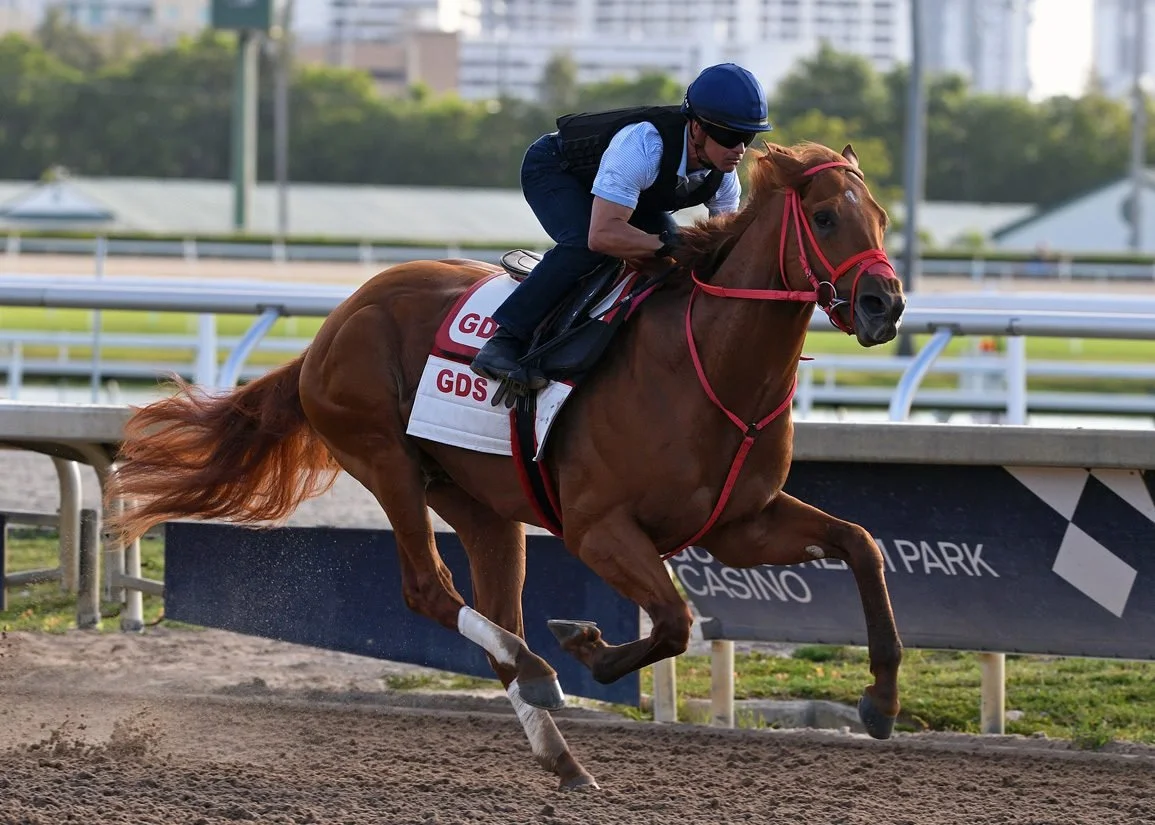
A minor setback forced him out of the Kentucky Derby, and any interruption at this stage of the season matters. Since returning to Gulfstream, his workouts—including a recent five-furlong move in 1:01.60—suggest he’s rebuilding toward peak condition.
The question is simple but important:
Is he returning to Florida Derby form… or still chasing it?
If he’s close to that peak, he fits perfectly in this group. If he’s even slightly below it, the depth of this field will expose that gap.
This is a horse whose final pre-race works will tell you almost everything you need to know.
Iron Honor — Consistent, Durable, and Slightly Short of Elite Separation
Iron Honor continues to be one of the more reliable horses in this division.
His runner-up finish in the Preakness confirmed what has been building all season: he belongs in this class. He shows up. He runs his race. He competes.
Since that effort, his training has been steady, including a recent half-mile in 48 seconds that suggests he’s maintaining condition without regression.
However, the pattern remains the same—he’s consistently a step behind the top tier when things get serious.
For Iron Honor, the key isn’t consistency anymore. It’s escalation. He needs one more level of improvement to turn from “always competitive” into “winning these races.”
Without that jump, he remains in the exact same position: close, but not quite first.
Crude Velocity — The Baffert Stretch-Out Wild Card
Crude Velocity may be the most interesting development horse in the entire field.
A Bob Baffert trainee with early speed and upside, he opened his career with three straight wins, including a strong showing in the Pat Day Mile. Even his loss in the Woody Stephens can be interpreted as part of the learning curve rather than a limitation.
Everything about his profile suggests distance is not a concern—at least in theory.
Pedigree, training pattern, and intent all point toward a horse being stretched out with purpose, not experiment.
His recent bullet workout—four furlongs in 47 seconds, the fastest of 185 horses that day—adds another layer of intrigue. That kind of move doesn’t happen by accident.
The real question is conversion:
Can that raw speed translate over a longer, more demanding trip against deeper late pressure?
If it does, he becomes a major factor. If it doesn’t, he’s still dangerous early—but vulnerable late.
Renegade — Proven Class With a Pace-Dependent Profile
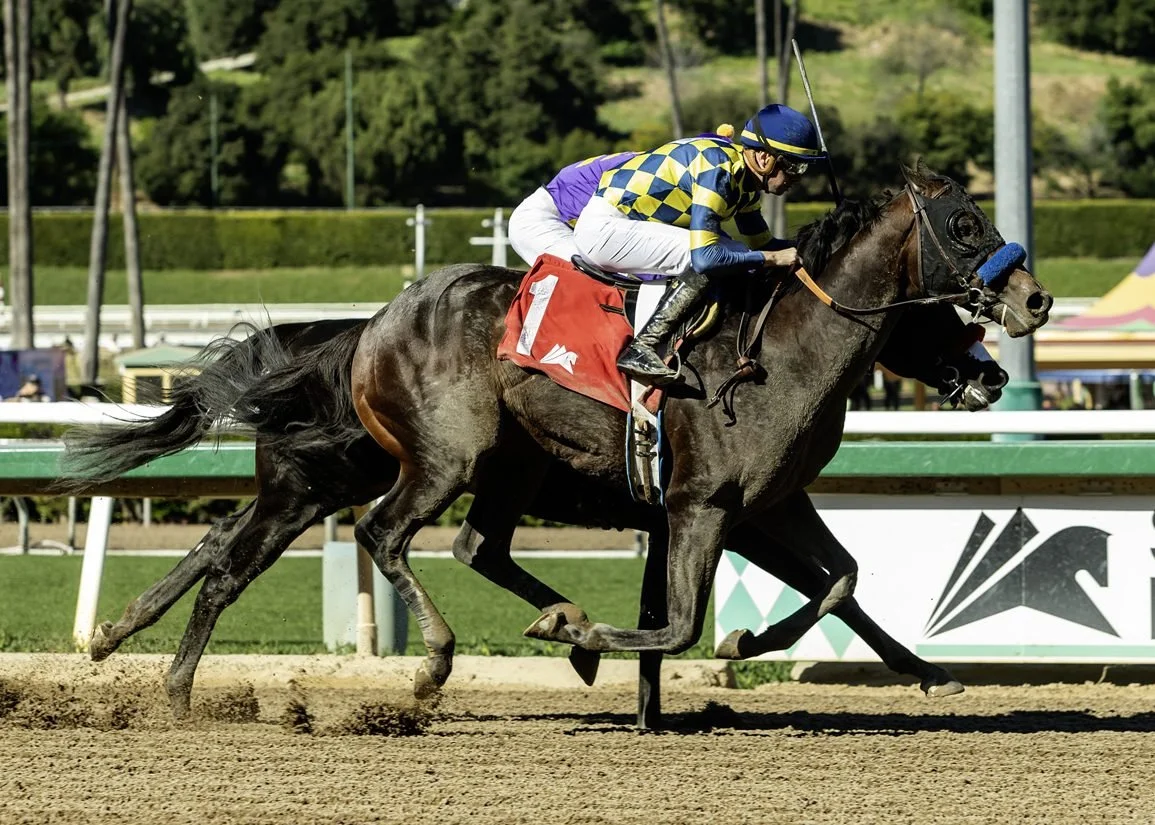
Renegade brings one of the most established résumés into this field, with a second-place finish in the Kentucky Derby and a third in the Belmont Stakes.
That level of consistency at the highest level of 3-year-old racing is not accidental. It reflects a horse who shows up in major spots, regardless of conditions.
The challenge here is structure.
Renegade is a closer, and closers in races like this are heavily dependent on early tempo. If the pace is controlled and moderate, he can be left with too much to do. If things get aggressive early, he becomes significantly more dangerous late.
There’s also a layer of strategy around rider assignments and intent, especially with top connections managing multiple high-profile options.
Everything about him says “finish strong”—but nothing about him guarantees the setup required for that finish.
Final Outlook: Why This Race Won’t Be Decided Early—But Built Early
The early read on the Haskell is simple: there are multiple legitimate win paths, and none of them are obvious yet.
Napoleon Solo brings forward progression and control potential. Further Ado brings tactical positioning and efficiency. Crude Velocity brings upside and raw speed. Renegade brings proven late ability. And horses like The Puma and Iron Honor sit just behind that top tier, ready to capitalize if anything shifts.
But the most important takeaway at this stage is restraint.
Races like this are rarely won by locking into a single storyline too early. They’re won by reading how those storylines evolve—especially in the final weeks of workouts, entries, and rider decisions.
Bet Along TracksideProfits at Mybookie
For races like the Haskell Stakes, the difference between casual action and long-term positioning often comes down to having access to a platform with sharp pricing, multiple wagering options, and the flexibility to move with the market as the odds shift.
One of the platforms used within the TracksideProfits ecosystem is MyBookie.
If you choose to sign up, use code TSP at checkout. Depending on current promos, that can unlock additional offers or deposit incentives.
The goal here isn’t to overcomplicate it — it’s to stay selective, stay structured, and make sure every position you take is backed by a clear plan going into race day.
Closing Thought
As the Haskell draws closer, the details will sharpen quickly. Final works, post positions, and pace confirmations will all reshape the picture in ways that matter.
And in a race this layered, those final details are often what separate the obvious contender from the right bet.
More to come as the field takes its final shape.
