
Kentucky Derby 2026 Post Draw Analysis: Why Post Position Will Decide This Race
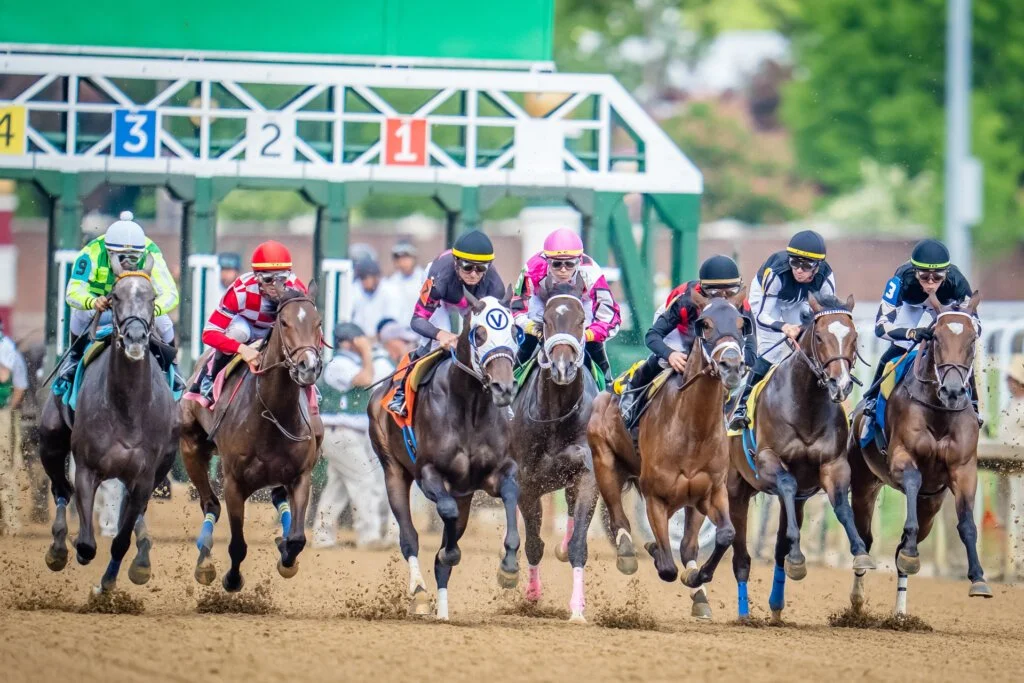
The Kentucky Derby draw doesn’t just influence opinions — it dictates how the race unfolds.
That may sound strong, but it’s backed by history. Every year, we watch at least one horse with championship-level talent get compromised before the race even properly develops. Not because they aren’t good enough — but because their starting position puts them at a disadvantage from the jump.
And in the 2026 Kentucky Derby, that dynamic is already impossible to ignore.
This draw is one of the most impactful we’ve seen in recent memory. The trends are well-established, the field is loaded, and more than anything else — race flow, trip, and early positioning are going to matter more than pure talent.
Below, we break down the key implications of the draw — from the rail all the way to the far outside — and highlight where the true structural edges (and hidden risks) are heading into Derby Day.
The Rail Curse Returns: Why Renegade Is Up Against It
Let’s start with the biggest storyline coming out of the draw.
Renegade, the current morning line favorite at 4-1, drew Post 1 — the rail.
And historically, that’s a major problem.
The last Kentucky Derby winner from the rail was Ferdinand in 1986. That’s nearly 40 years of failed attempts from the same position — and in a race with as much chaos as the Derby, that trend carries real weight.
But it’s not just history working against him — it’s also running style.
Renegade is a closer, which means:
He needs clean running lanes
He needs patience
He needs to avoid traffic early
From the rail, that becomes extremely difficult.
Instead, he’s likely to face:
Immediate pressure into the first turn
Limited escape routes
A high probability of getting shuffled too far back
By the time he finds daylight, the race could already be gone.
There’s no question Renegade has the talent. But between the rail, his running style, and decades of data — this is a steep uphill battle in a 20-horse field.
The Power Zone: Why the Middle Draw Holds the Key
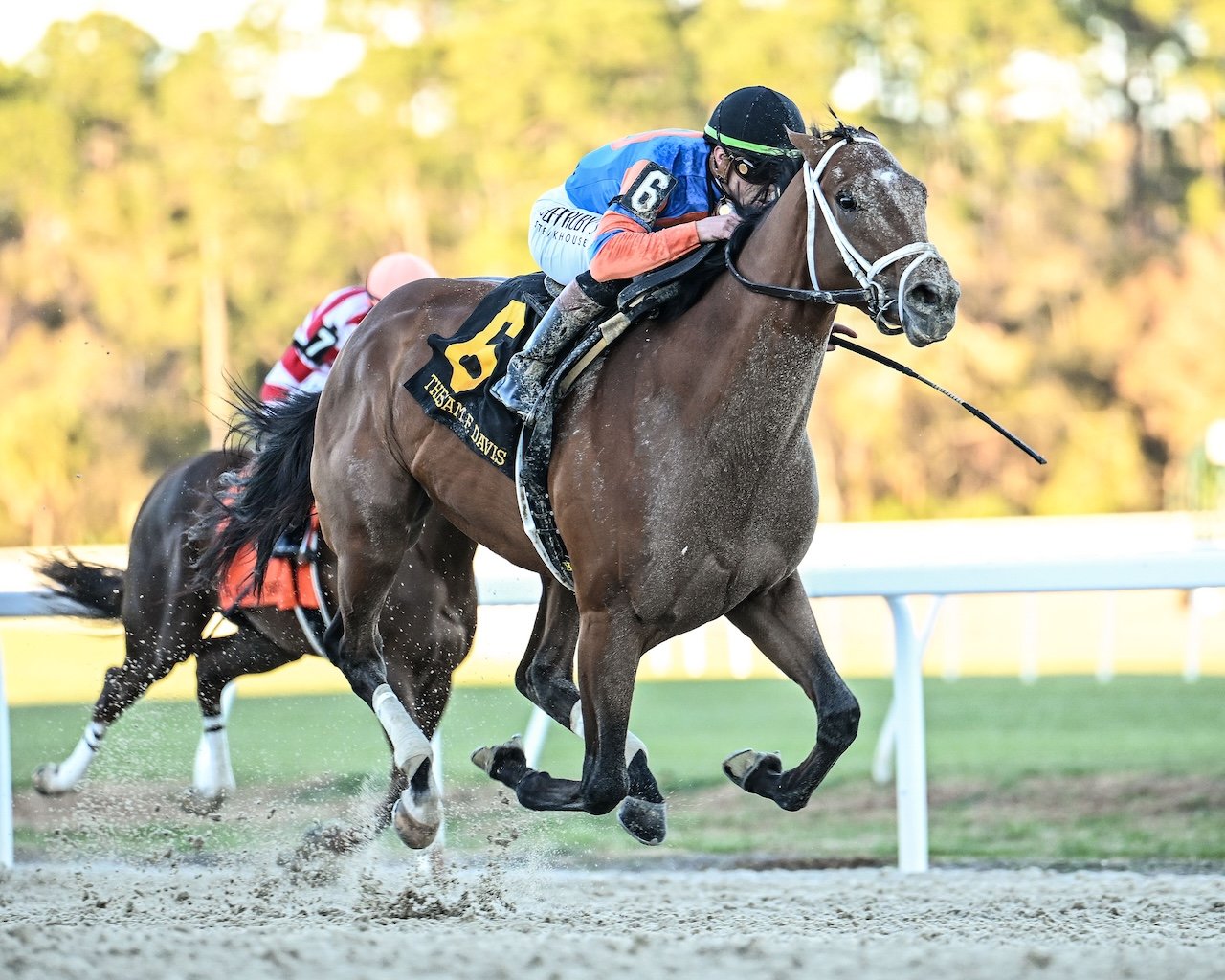
While the rail creates problems, the middle of the gate is where races like this are typically won.
Posts 6 through 12 have historically been one of the strongest zones in Kentucky Derby history — and this year, it’s loaded.
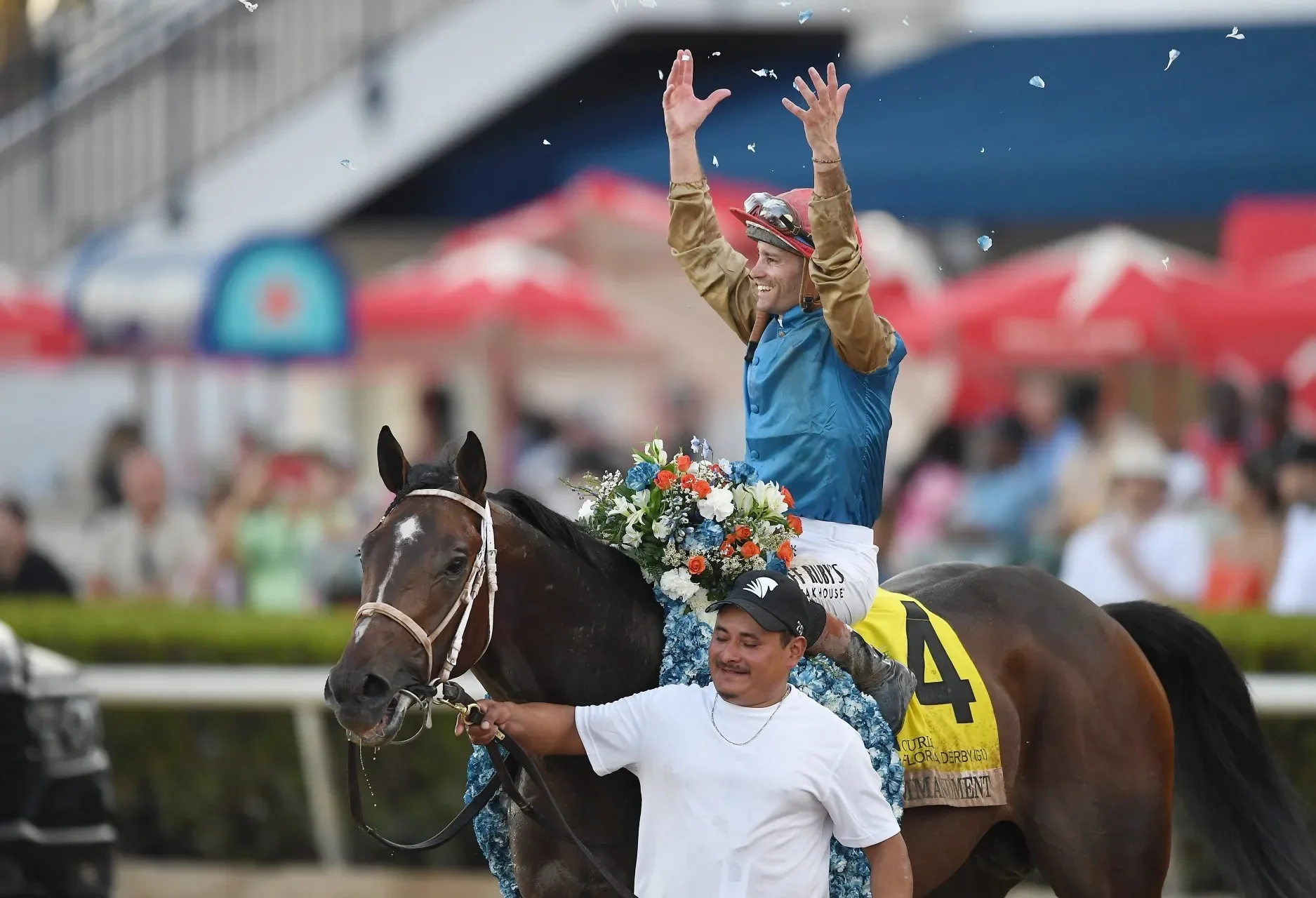
Commandment (Post 6): The Ideal Setup
Commandment may have landed the best post in the field relative to his style.
Wins: Florida Derby, Fountain of Youth
Running style: Tactical stalker
Strength: Can sit just off the pace and finish
This post allows him to:
Establish position early
Avoid rail traffic
Stay out of wide trips
This is exactly the profile and setup we see from many Derby winners.
Danon Bourbon (Post 7): More Than an International Story
Danon Bourbon is picking up serious attention — and it’s justified.
Sire: Maxfield (5-for-5 at Churchill Downs)
Profile: Built for this surface
Perception: Often dismissed due to international angle
That dismissal could create value. The pedigree fits, and the post puts him in a clean tactical spot.
So Happy (Post 8): The Wild Card Profile
So Happy presents one of the more interesting profiles in the field.
Sire: Runhappy (speed-oriented)
Concern: Distance limitations
Counterpoint: Strong late fractions in recent prep
If he stretches his speed effectively, he becomes the type of horse that blows up exotics — or more.
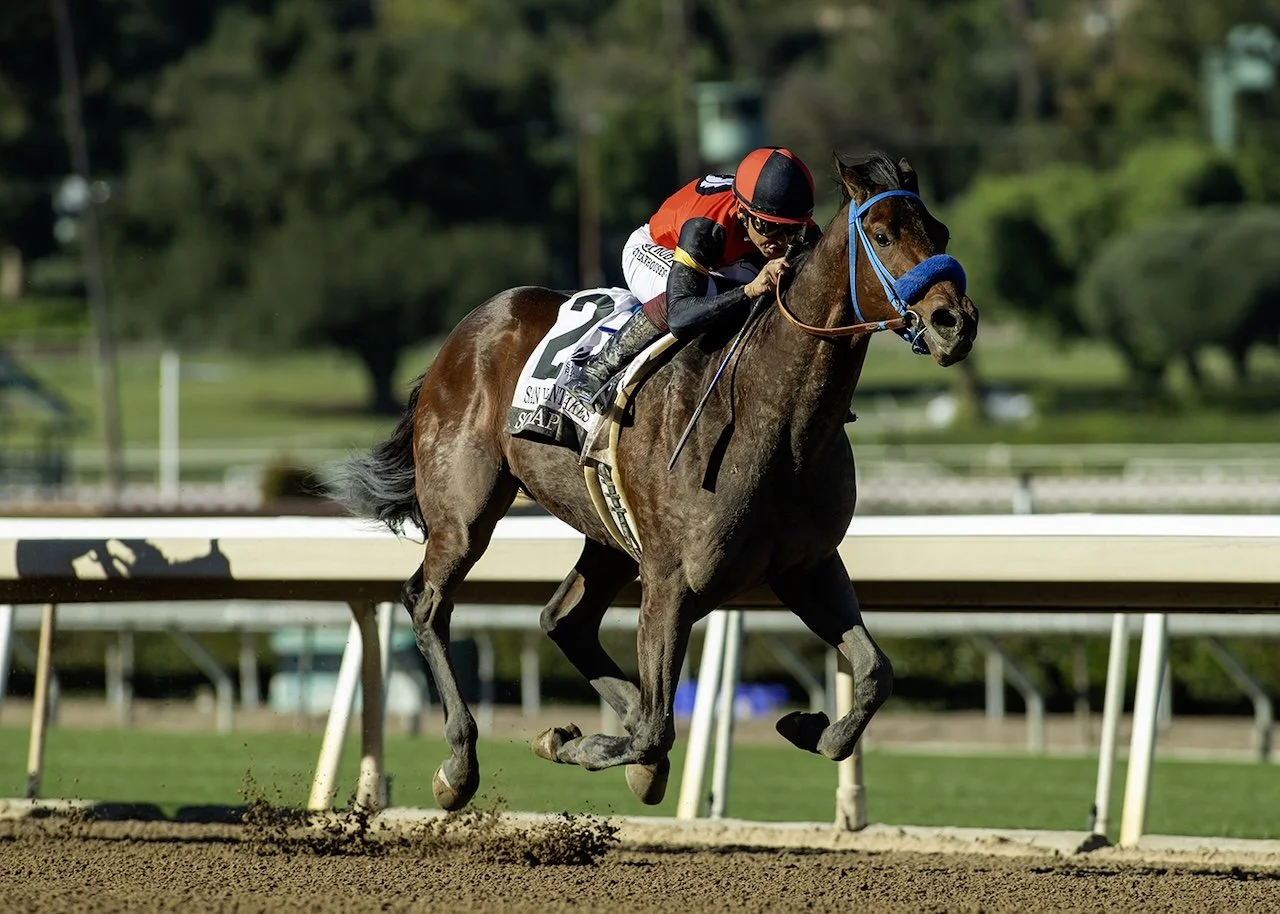
The Puma (Post 9): Proven Toughness Matters
The Puma brings something underrated into this race: durability under pressure.
Won: Tampa Bay Derby
Ran 2nd (nose): Florida Derby (off just 3 weeks rest)
That quick turnaround, combined with a strong performance, signals toughness — which matters in a race where chaos is guaranteed.
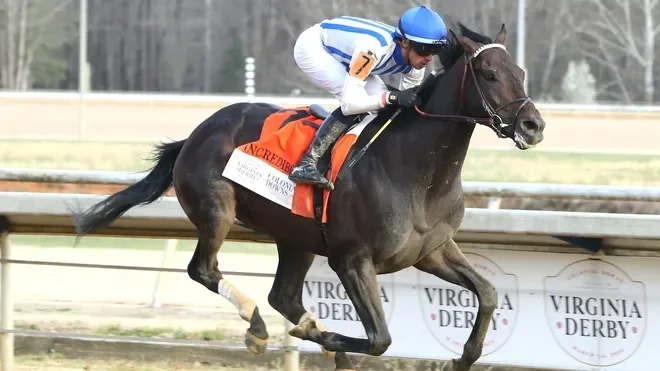
Incredibolt (Post 11): Built for Traffic
Incredibolt already answered a key Derby question:
Can he handle traffic?
Won the Virginia Derby
Overcame clear trouble in the stretch
That’s not a minor detail — it’s a major advantage in a race where clean trips are rare.
Chief Wallabee (Post 12): High Ceiling, Less Experience
With just three starts, Chief Wallabee is one of the least experienced runners in the field.
But:
He’s been tracking top competition
His upside is still largely untapped
He’s the type of horse that could jump forward — or get overwhelmed.
The Outside Posts: Questions, But Opportunity
The outside draw always sparks debate — but it’s often misunderstood.
Yes, horses lose ground.
But they also:
Avoid early traffic compression
Get cleaner runs into the first turn
Can stay out of trouble entirely
And in a Derby like this, that tradeoff can be worth it.
Silent Tactic: The Foundation Horse
Silent Tactic has quietly built one of the most consistent resumes in the field.
Ran the full Oaklawn prep series
Improved with each start
Proven durability
In a race defined by chaos, consistency like this becomes extremely valuable.
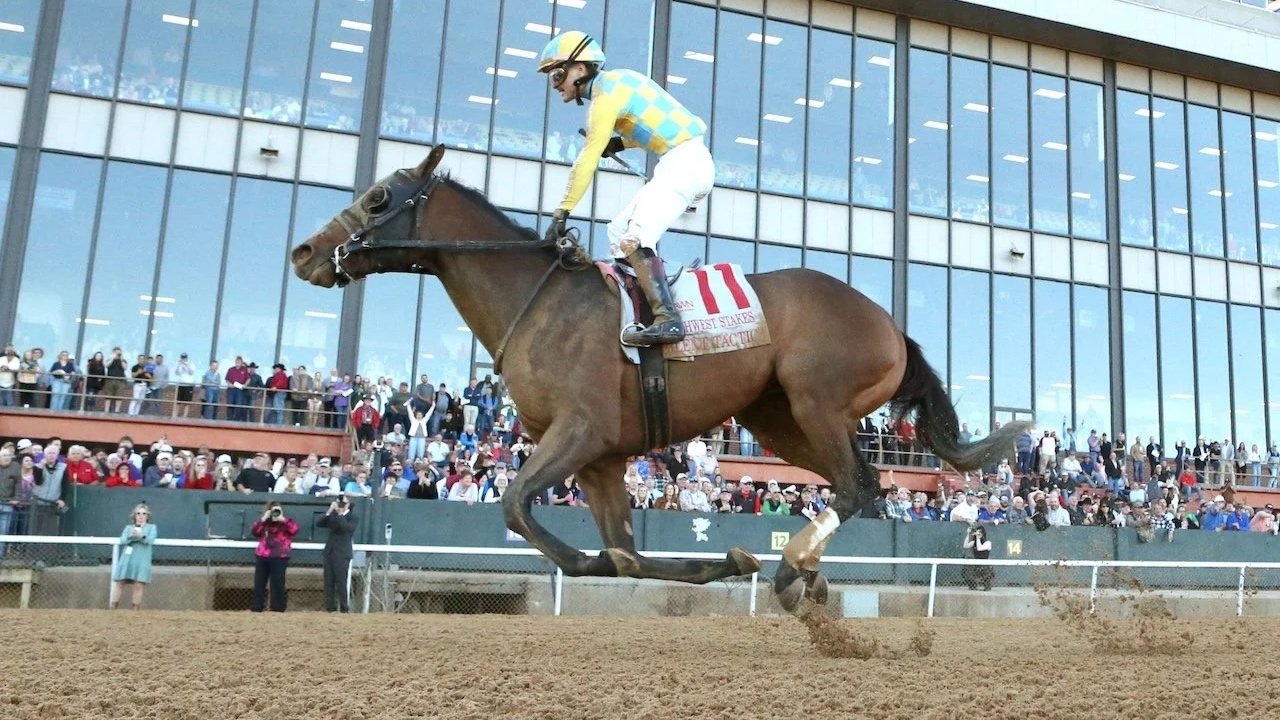
Potente: Classic Baffert Profile
Potente fits a familiar and dangerous mold:
Trainer: Bob Baffert
Lightly raced
Tactical versatility
He can:
Press the pace
Adapt mid-race
That flexibility is a major asset from a wide draw.
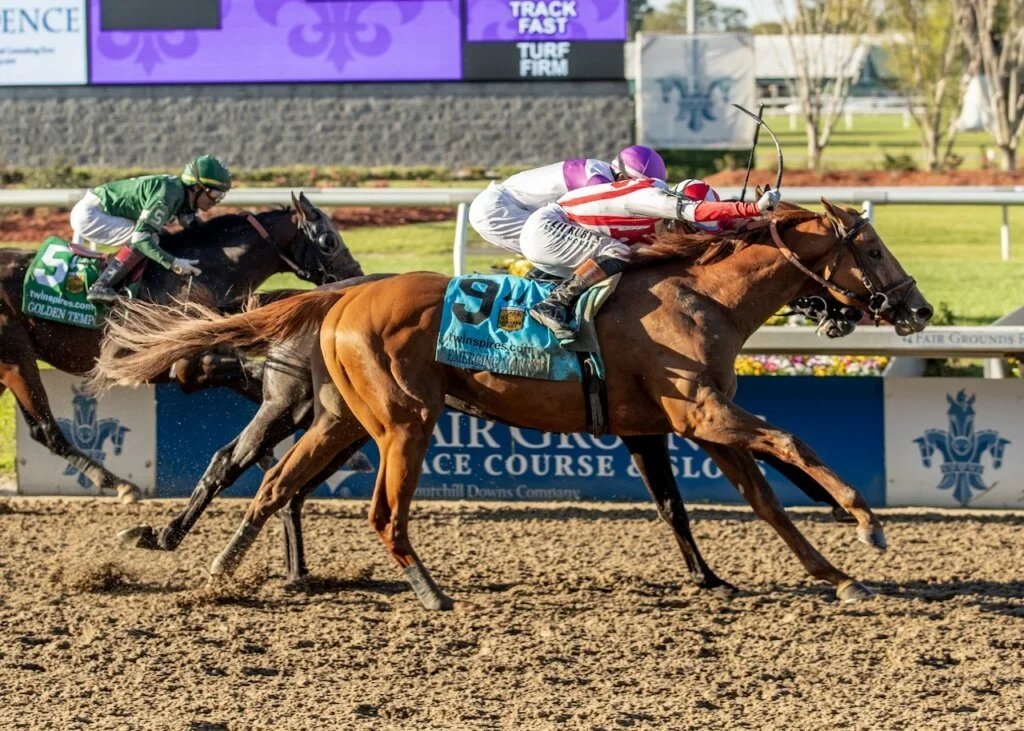
Emerging Market: The Most Intriguing Horse in the Field
Emerging Market is the definition of unknown upside.
Record: 2-for-2
Experience: Minimal
Ceiling: Potentially elite
But the key signal?
Flavien Prat chose him over Commandment.
That’s not a casual decision. Top jockeys don’t pass on proven contenders without a reason. When that kind of choice is made, it’s worth paying attention.
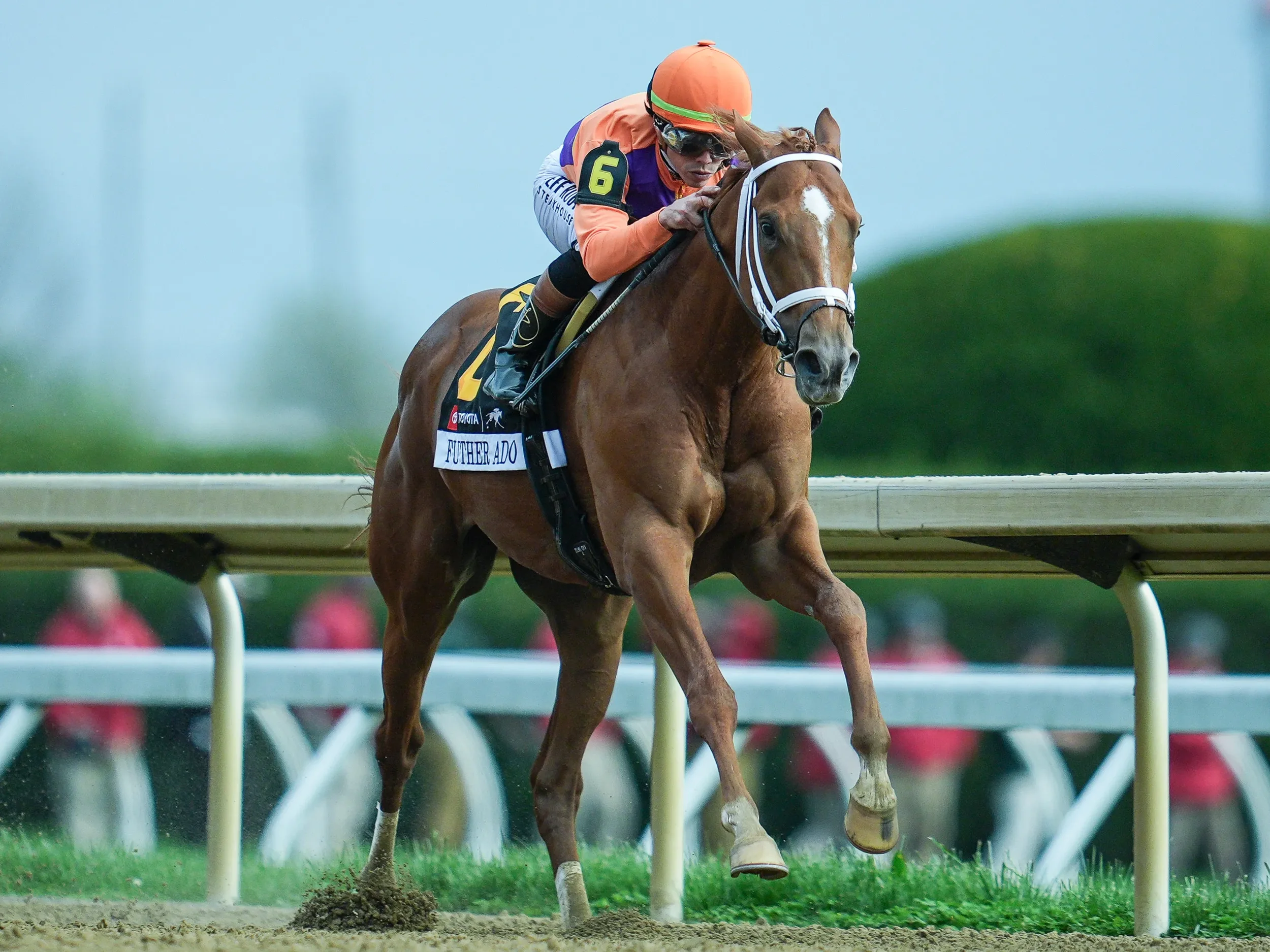
Further Ado (Post 18): The Structural Talent
Further Ado might be overlooked — but the setup says otherwise.
From Post 18, he gets:
Clean early positioning
Tactical flexibility
Separation from inside traffic
He has enough speed to stay involved early, and enough stamina to finish into a collapsing pace.
In a race where the front end often falls apart late, this is exactly the kind of profile that can capitalize.
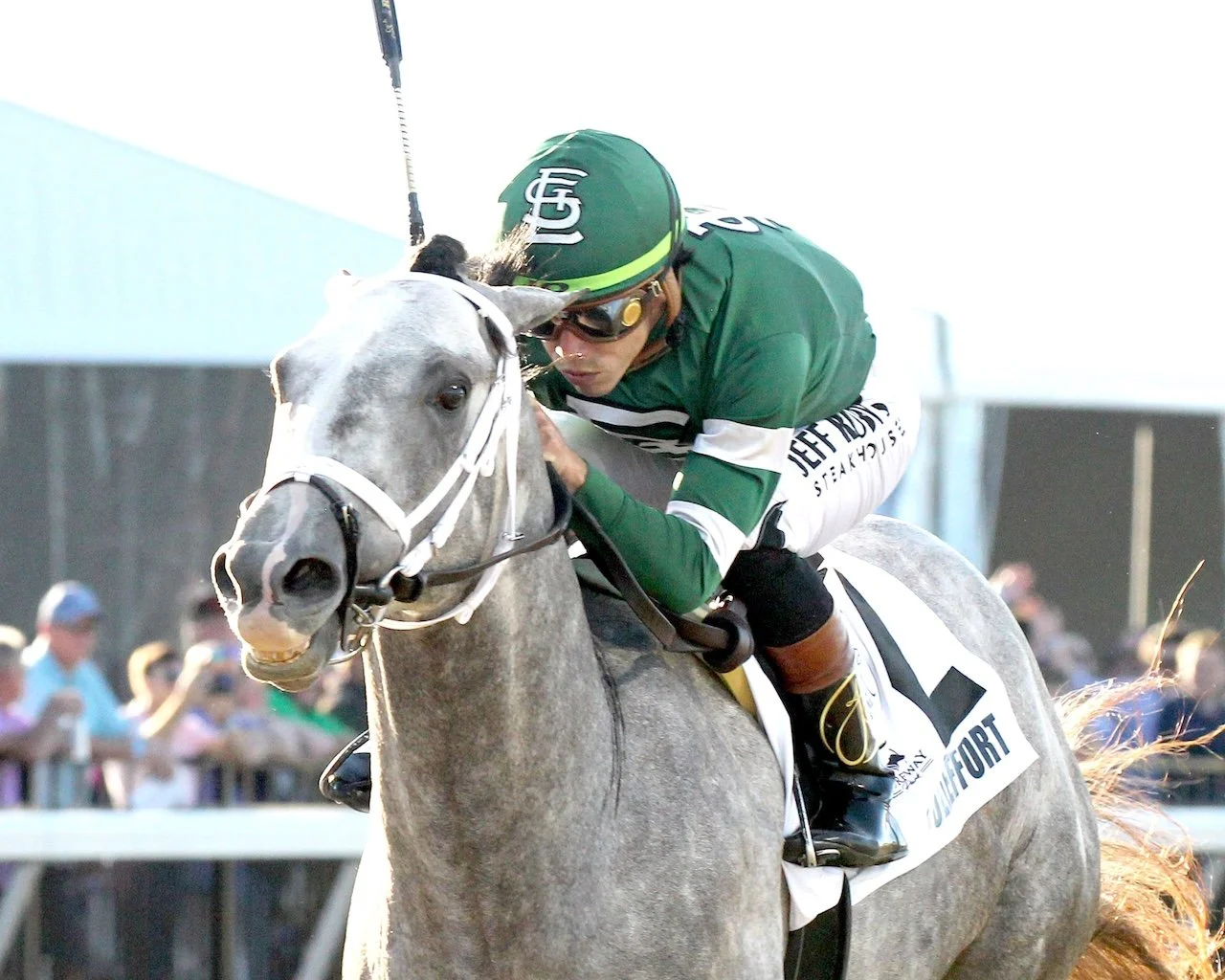
Extreme Outside: Golden Tempo & Full Effort
Golden Tempo and Full Effort face a clear challenge:
Limited early speed
Significant ground loss
But they also benefit from:
Clean air
Zero traffic pressure
If the pace collapses — and it often does — they could make one sustained move into a tired field.
Unlikely? Yes.
Impossible? Not even close.
Final Take: Structure Over Hype
When you step back and look at the full picture, the post draw gave us clarity.
Renegade now faces a historically difficult position combined with a challenging running style
The middle gates are loaded with well-positioned contenders
The outside runners have cleaner paths than the public may realize
And in a race like the Kentucky Derby, those structural edges matter.
The Lean: Further Ado
If betting this race strictly based on:
Post position
Running style
Projected race shape
Further Ado is the lean.
He checks the key boxes:
Clean early trip potential
Tactical positioning
Ability to finish late
It’s not the flashiest pick — but that’s not how this race is usually won.
Structure-based outcomes consistently decide the Kentucky Derby.
Talent gets a horse into the gate.
The draw determines what happens next.
You May Also Like: Stay up to date on the 2026 Kentucky Derby
→ Kentucky Derby Hub – Full prep race previews, news, and expert Kentucky Derby analysis.
→ Kentucky Derby Power Rankings – Weekly leaderboard of top contenders, risers and fallers.

Built for Belmont Stakes Players
This isn’t just a list of picks. It’s a full-card, strategic wagering blueprint for bettors who want a professional approach to all the races on the card.
★ Highest-confidence plays clearly identified
Featured longshot of the day to target for value
Exacta and trifecta structures for every race
Late Pick 5 ticket included
Detailed pace, class, and form analysis
What’s Included:
Win selections + top contenders for every race
Exacta and trifecta structures for every race
Trifecta and daily double plays when warranted
Late Pick 5 ticket
Featured longshot of the day
Detailed pace, class, and form analysis for every top pick & contender
FAQ: Kentucky Derby Post Draw Insights
Does post position really matter in the Kentucky Derby?
Yes — more than most races. With 20 horses, positioning into the first turn and avoiding traffic are critical.
Why is Post 1 so difficult?
It limits movement, increases pressure, and historically underperforms — especially for closers.
What is the best post position range?
Historically, posts 5–12 have produced the most winners due to balance between positioning and ground loss.
Can outside posts still win?
Absolutely. While they can lose ground, they often avoid traffic — which can be more important in a chaotic race.
