
Jockey Decisions Are Quietly Reshaping the 2026 Kentucky Derby Picture
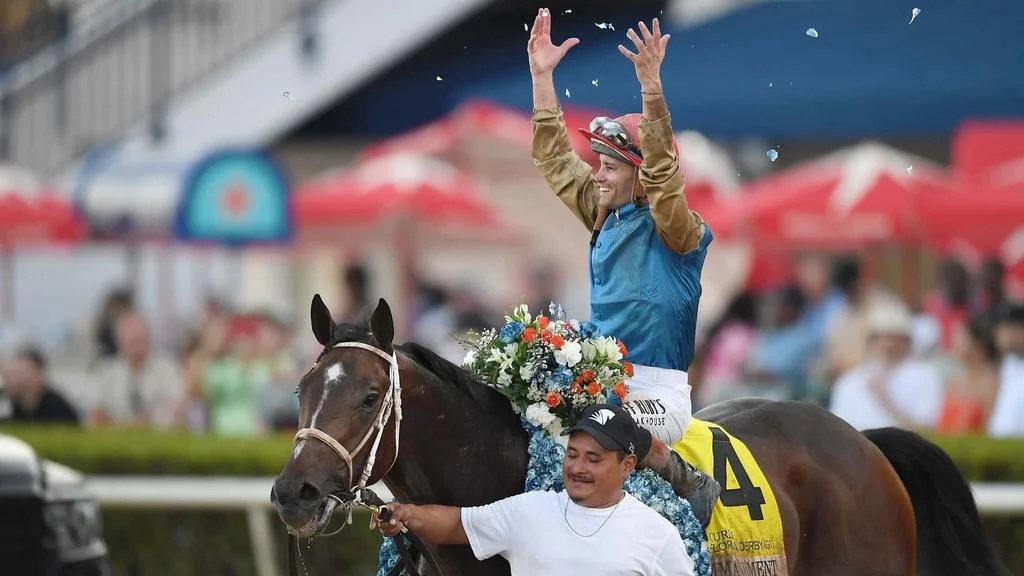
Every spring leading into the Kentucky Derby, the conversation tends to revolve around the same familiar factors—speed figures, prep race results, post positions, and workout reports.
But there’s one major edge that rarely gets the attention it deserves.
It’s not in the numbers.
It’s not in the draw.
And it’s not even always in the horse.
It’s in the jockey decisions.
Right now, some of the most elite riders in the sport are quietly reshaping the entire Kentucky Derby landscape—switching mounts, choosing between stablemates, and signaling confidence in ways most bettors overlook entirely.
Because here’s the reality most casual fans miss:
Top jockeys don’t randomly pick rides.
They choose with intent. And when they do, they are often revealing exactly which horses they believe are most likely to win.
This article breaks down the evolving “jockey carousel” heading into the Derby—who is riding who, who has moved off contenders, and what those decisions actually mean for your betting strategy.
And make no mistake—one or two of these moves could completely change how you view this year’s Kentucky Derby picture.
Irad Ortiz Jr: Most Aggressive Jockey Decisions of the Prep Season
One of the most influential riders in North America right now is Irad Ortiz Jr., and his decisions this prep season have been anything but passive.
He originally guided Commandment to a win in the Fountain of Youth Stakes. That performance looked like the beginning of a strong and logical Kentucky Derby path.
But then came the first major shift.
Ortiz moved on.
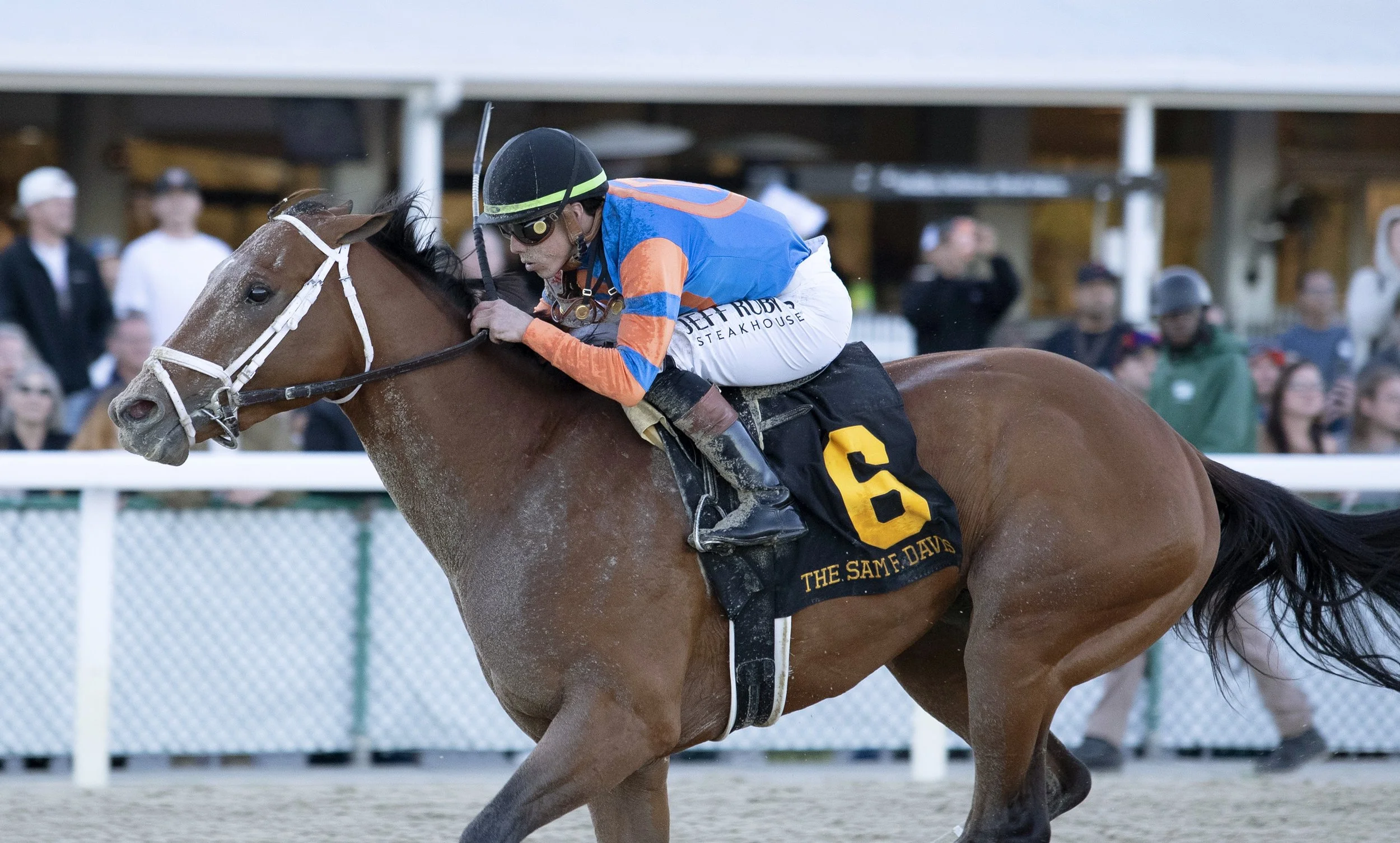
Instead of staying committed to Commandment for the Florida Derby, he pivoted to Renegade for trainer Todd Pletcher—and delivered a win in the Arkansas Derby.
That wasn’t just another mount change. That was a statement ride.
But Ortiz didn’t stop there.
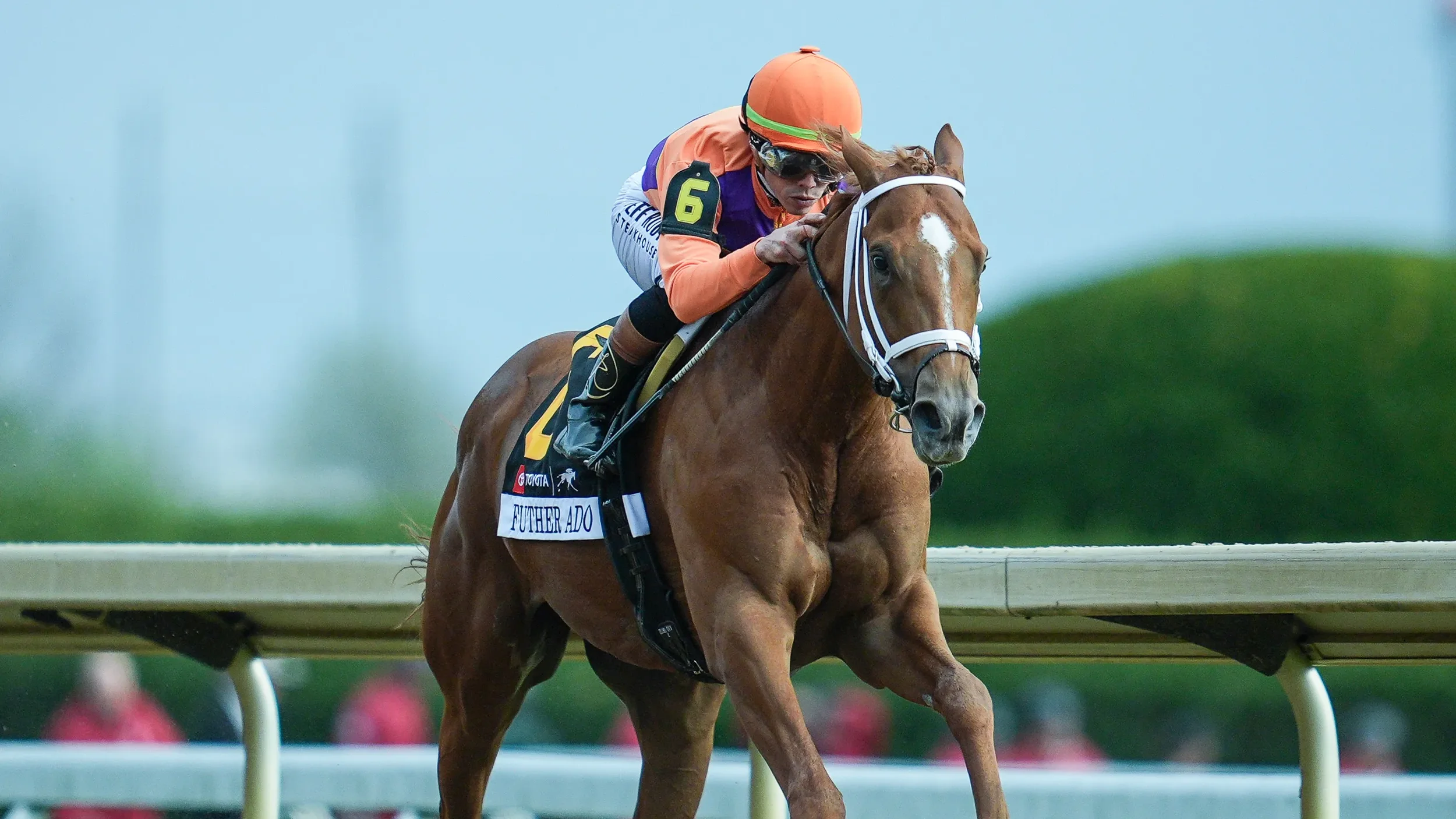
He also piloted Full Effort to victory in the Jeff Ruby Steaks for Brad Cox, and later rode Further Ado to a dominant 11-length win in the Blue Grass Stakes.
At this point, Ortiz is tied to multiple legitimate Kentucky Derby contenders with real credentials.
But one decision already stands out clearly: he moved off Commandment.
So the real question becomes:
Does Ortiz ultimately land on Renegade or Further Ado?
Why Renegade Appears to Have the Inside Track
When you break it down strategically, Renegade holds a subtle but important edge.
Ortiz didn’t just ride him once—he won a major prep race aboard him for the powerful Pletcher barn. That combination of recent success, familiarity, and trainer-jockey chemistry is often a decisive factor in Kentucky Derby selections.
In high-stakes situations like this, riders tend to stick with what’s already proven to work.
The Ripple Effect Inside the Brad Cox Barn
If Irad Ortiz Jr. ultimately commits to Renegade, it creates a cascading effect within the Brad Cox stable.
That immediately impacts both Further Ado and Full Effort, who would be left without their primary rider.
Full Effort has already experienced some rotation in the saddle:
Vincent Cheminaud rode him in earlier starts
Florent Geroux also had prior mounts
Both riders remain available and still searching for confirmed Derby assignments.
That puts Cox in a key decision-making position:
Does he prioritize consistency and familiarity—or shift toward jockey upgrades based on timing and perceived Derby fit?
Further Ado Becomes a Critical Jockey Decision Point
The situation becomes even more interesting with Further Ado.
The only other consistent rider linked to him is Luan Machado, known as the “Axe Man.”
If Cox values continuity, Machado is the clean and logical choice.
But if the goal is maximizing upside with a higher-profile Derby rider, Cox may look elsewhere entirely.
And this is where sharp bettors gain an edge.
When top barns start reshuffling jockey assignments this late in the Derby prep season, it’s rarely random.
It’s intentional.
And it often separates legitimate contenders from horses that are simply inflated in public perception.
Flavien Prat’s Major Derby Decision Sends a Clear Signal
Another massive storyline involves Flavien Prat, one of the most respected tactical riders in the sport.
Prat originally rode Commandment to a Florida Derby victory—an outcome that, on paper, looked like a locked-in Derby partnership.
Instead, Prat made a surprising but highly revealing move.
He chose Emerging Market, the Louisiana Derby winner trained by Chad Brown.
That decision represents a major shift in confidence.
Prat is effectively leaving a proven Florida Derby winner to ride another live contender in a different camp.
Luis Saez takes Commandment’s mount
With Prat off the horse, Commandment now lands with Luis Saez, another elite-level jockey.
However, this introduces a key question:
How does a late jockey change impact Derby preparation?
While Saez brings aggressive riding style and strong tactical instincts, any last-minute rider switch introduces uncertainty—especially heading into the most important race of the horse’s career.
It may not be a downgrade in talent, but it is a change in timing, rhythm, and familiarity.
Meanwhile, Prat’s decision to stick with Emerging Market signals strong internal confidence in that horse’s Derby potential.
A Subtle But Important Derby Angle Most Bettors Miss: Jamie Torres
One of the quieter but potentially important jockey decisions involves Jamie Torres.
Torres has been involved with two rising Derby-eligible horses:
Incredibolt, winner of the Virginia Derby
Albus, winner of the Wood Memorial for trainer Riley Mott
What makes this situation unique is that Torres has ridden both horses to major wins.
Now a decision is looming.
Neither horse is expected to be among the top favorites, but both have legitimate upside underneath in exotics.
Why This Decision Matters for Exotic Betting
The key detail is rider consistency:
Albus has only had Samy Camacho outside of Torres
Incredibolt has only been ridden by Torres
That creates a clean signal.
Whichever horse Torres chooses becomes the clearest internal preference from the barn.
And in the Kentucky Derby, that matters far more than most bettors realize—especially when building trifectas and superfectas where mid-tier contenders often decide massive payouts.
What These Jockey Moves Actually Tell Us About the Kentucky Derby
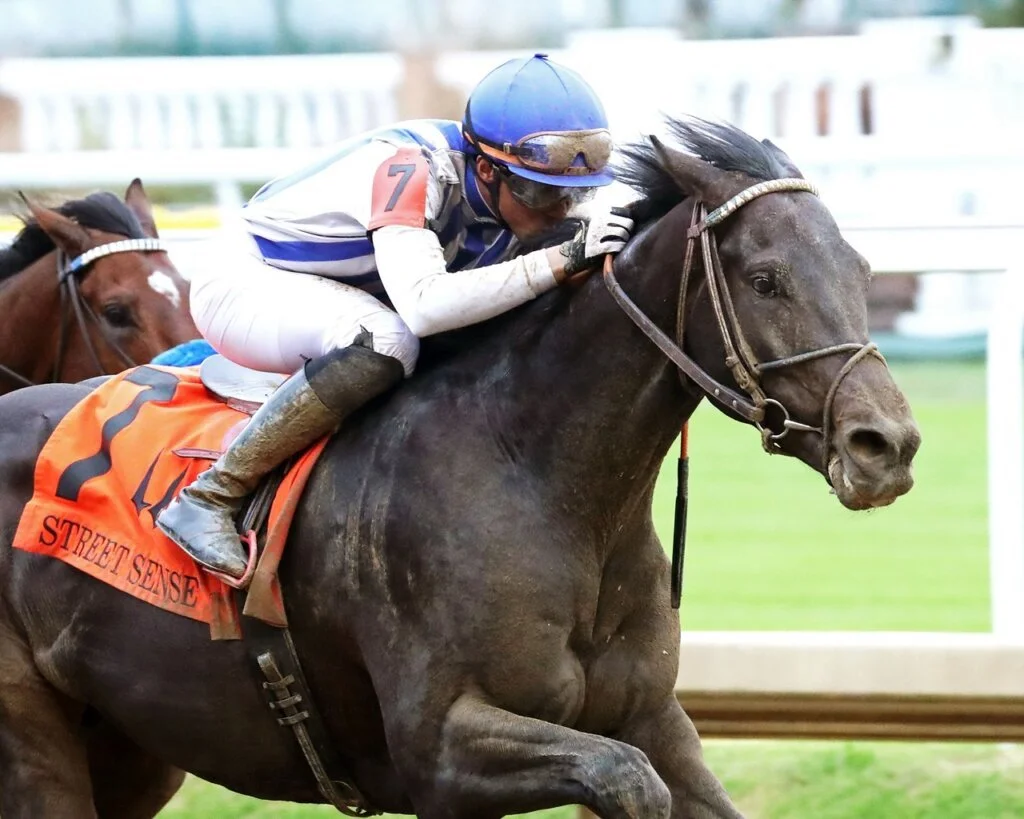
When you zoom out, these decisions are not isolated events.
They form a pattern.
Irad Ortiz Jr. leaning toward Renegade signals strong confidence after a major stakes win together
Flavien Prat choosing Emerging Market raises legitimate questions about Commandment’s overall ceiling
The Brad Cox barn situation could quietly unlock value depending on final rider placements
Jamie Torres’ decision may provide one of the clearest exotic betting signals in the field
And the most important takeaway is this:
Jockey decisions are rarely random.
They are based on morning workouts, trainer communication, horse feel, and most importantly—confidence in winning.
When elite riders make these moves, they are revealing information the public does not have direct access to.
You May Also Like: Stay up to date on the 2026 Kentucky Derby
→ Kentucky Derby Hub – Full prep race previews, news, and expert Kentucky Derby analysis.
→ Kentucky Derby Power Rankings– Weekly leaderboard of top contenders, risers and fallers.
FAQ
Why do jockey changes matter in the Kentucky Derby?
Jockey changes often signal trainer confidence and horse preference based on workouts and performance data.
Do top jockeys choose their Derby horses strategically?
Yes, elite jockeys typically select mounts based on winning potential, trainer relationships, and recent performances.
Can jockey switches impact betting value?
Absolutely—late jockey changes can signal hidden confidence shifts or concerns.
To help bettors apply this type of jockey and analysis across the full Derby Day Day card…

Built for Belmont Stakes Players
This isn’t just a list of picks. It’s a full-card, strategic wagering blueprint for bettors who want a professional approach to all the races on the card.
★ Highest-confidence plays clearly identified
Featured longshot of the day to target for value
Exacta and trifecta structures for every race
Late Pick 5 ticket included
Detailed pace, class, and form analysis
What’s Included:
Win selections + top contenders for every race
Exacta and trifecta structures for every race
Trifecta and daily double plays when warranted
Late Pick 5 ticket
Featured longshot of the day
Detailed pace, class, and form analysis for every top pick & contender
