
5 Under‑the‑Radar Metrics That Predict Winners in Horse Racing (and How to Use Them)
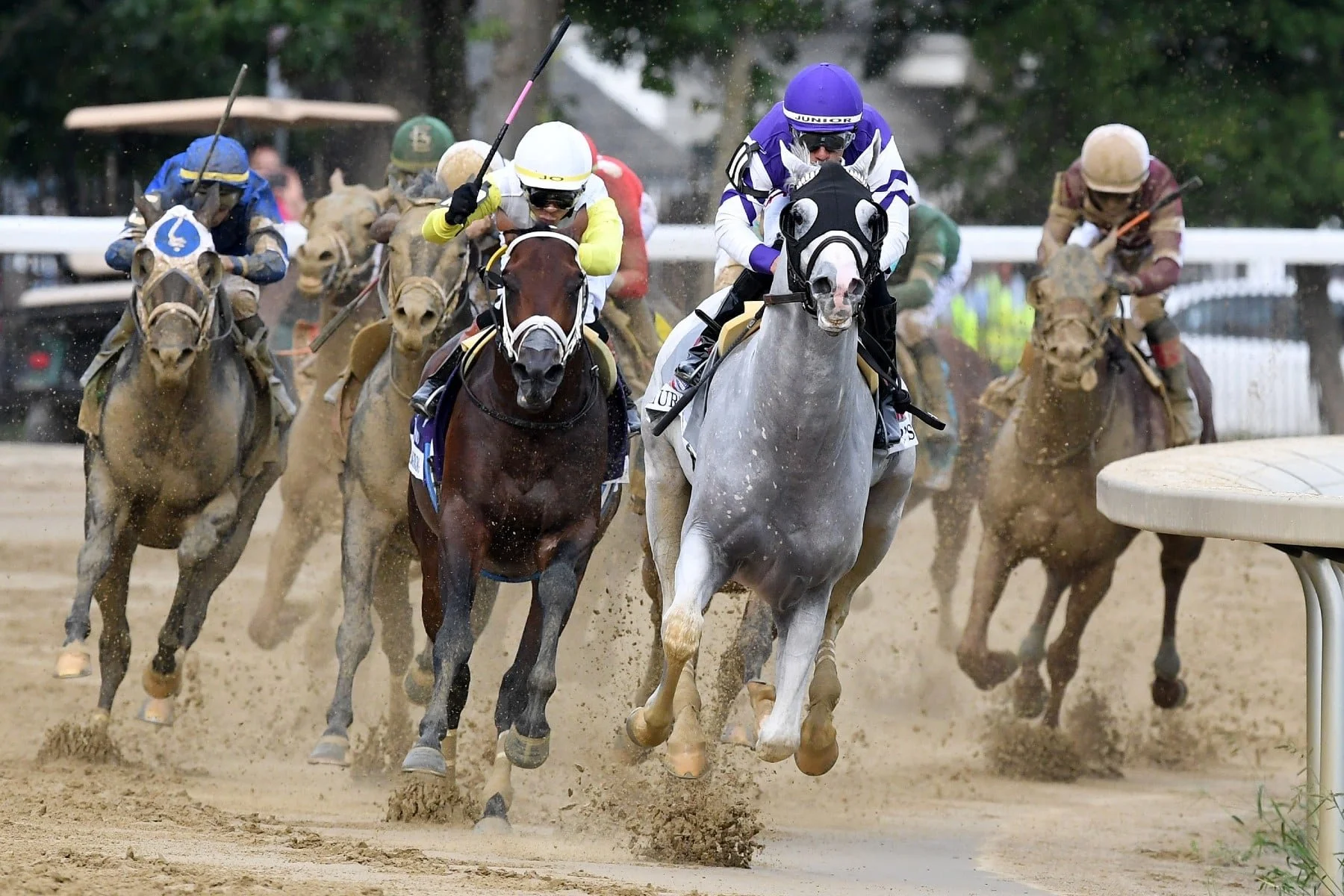
If you want a real edge in horse racing handicapping, you can’t just focus on speed figures and class anymore. The public knows those — and smart money often shows up before you place your bet. The real upside comes from advanced, under‑the‑radar metrics that seasoned handicappers use to predict winners — metrics that often fly under the betting public’s radar but carry real predictive value. In this guide, we’ll break down five of the most effective lesser‑known metrics, explain why they work, and show how to use them when picking races.
1. Final 3F / Best Sectional Times
Many casual bettors rely on overall speed figures like Beyer or Timeform ratings — but you can gain an edge by analyzing how the horse finishes rather than just how fast it ran overall. Final 3F (the time for the last three furlongs) and sectional splits reveal a horse’s true finishing ability, indicating turn‑of‑foot and stamina that raw speed figures may miss. Horses with strong final sectional times often outperform expectations as distances increase.
How to use it:
Compare a runner’s Final 3F times to the rest of the field.
A horse that posts both fast overall times and strong late sectionals signals a potent finisher — ideal in races with quick early fractions, or as distances increase.
2. Pace Pressure & Predicted Early Position
Pace metrics project how a race will unfold early — specifically where each horse will be at first call and how much pressure the early fractions will exert. Pace isn’t just about speed figures — it’s about pace distribution in the race. Horses that will benefit from a fast early tempo (set up for closers) or benefit from minimal early pressure (set up for front‑runners) can be invaluable picks.
How to use it:
Identify pacelines that will make life hard on speed horses (leading to pace collapses).
Favor horses that fit the winning running style based on the projected pace — e.g., a closer in a projected speed duel.
3. Recent Workouts
A horse’s recent workouts provide critical insight into fitness, readiness, and likely performance — often more so than past races alone. Sharp, fast, or improving works signal that a horse is peaking at the right time. Conversely, slow or inconsistent workouts may indicate fitness issues or declining form. Serious handicappers track workout patterns to find overlooked contenders or fade overpriced favorites.
How to use it:
Compare recent workout times and patterns to previous races.
Look for horses showing consistent improvement or maintaining peak speeds.
Pay attention to workout surfaces, distances, and times relative to the track’s standard.
Consider how fresh a horse is — a fresh horse with strong works often beats one returning from layoffs with minimal prep.
4. Trainer–Jockey Combination Trends
Sure, trainer and jockey stats are well‑known individually, but the combination is often overlooked. Some trainer/jockey pairs outperform their individual win percentages because of chemistry, strategy alignment, or targeted race placement. Hard data shows that pairing stats (joint win rate) can provide a quantifiable edge.
How to use it:
Look for trainer–jockey combos with a higher than average win rate together over the last 12 months or across similar race conditions.
Track changes — a top trainer switching to a new rider can signal betting value if the combo is historically strong.
5. Track & Surface Bias Indicators
Track biases change — and they do so faster than many bettors realize. Recent weeks’ results often reveal invisible advantages for certain running styles, posts, or surface types. For example, inside posts might dominate sprints at one track, while closers succeed on wet turf at another. You can quantify these biases via recent results, looking at win percentages by style and position rather than horse ability alone.
Bonus Insight: Combine Metrics for Real Edge
None of these metrics are silver bullets by themselves. The real predictive edge comes when you combine them into your handicapping model — pace, sectional times, recent workouts, training/jockey patterns, and track bias. Advanced bettors often weight these together and then compare their projected probability to the current odds to find value plays.
Final Thoughts
Winning bettors dig deeper than surface speed figures. By analyzing under‑the‑radar metrics like Final 3F, pace, recent workouts, trainer–jockey combos, and track biases, you gain insight that casual bettors miss. Track these metrics, integrate them, and you’ll move from guessing to a data-driven edge in your horse racing picks.
🏇 Stay Ahead on the Road to the Kentucky Derby!
Check out our Kentucky Derby Hub for updated points leaders, power rankings, and prep race analysis
head to the TracksideProfits Wagering Lab to turn insights into smart, data-driven bets.
